Archive for Consumer protection

TikTok Hit With State Lawsuit Over Alleged Harm to Children and Teens

TikTok Hit With State Lawsuit Over Alleged Harm to Children and Teens

A state lawsuit has been filed against TikTok, alleging the platform was designed in ways that cause harm to children and teenagers. The case focuses on claims that TikTok knowingly used addictive features to keep young users engaged for extended periods, despite evidence of negative mental health effects.

According to the lawsuit, TikTok’s design encourages compulsive use through endless scrolling, algorithm driven content feeds, and frequent notifications. State officials argue these features were intentionally engineered to maximize time spent on the app, particularly among younger users who are more vulnerable to behavioral manipulation.

The complaint alleges TikTok was aware that excessive use of the platform could contribute to anxiety, depression, sleep disruption, and reduced self esteem among teens. Despite this knowledge, the lawsuit claims the company continued to promote features that increased dependency rather than implementing meaningful safeguards.

One major issue raised is the platform’s recommendation algorithm. The lawsuit alleges TikTok’s algorithm quickly learns a user’s emotional triggers and repeatedly pushes similar content to maintain engagement. For young users, this can mean repeated exposure to harmful material related to body image, self harm, or risky behavior.

The state also claims TikTok failed to provide adequate parental controls and misrepresented the effectiveness of existing safety tools. According to the lawsuit, parents were led to believe they had meaningful oversight, while key features remained difficult to monitor or disable.

Another allegation involves time awareness. The lawsuit claims TikTok downplayed or obscured how much time users spend on the app. While optional screen time reminders exist, the state argues they are ineffective and easy to ignore, especially for minors.

The complaint further alleges TikTok prioritized growth over child safety. Internal research cited by regulators reportedly showed awareness of youth harm, yet product decisions continued to focus on engagement metrics rather than user well being.

TikTok has denied the allegations and argues it provides safety features, age based protections, and educational resources for parents and teens. The company maintains it takes youth safety seriously and that its platform offers creative and social benefits when used responsibly.

The court will likely examine whether TikTok’s design choices cross the line from entertainment into harmful manipulation. Judges may also consider whether the company had a duty to alter features once risks to minors became known.

This lawsuit matters to parents because it directly addresses how digital platforms shape children’s behavior. Many families struggle to limit screen time, especially when apps are designed to resist disengagement. A ruling in favor of the state could force changes to how youth focused features operate.

It also matters to the technology industry. If the lawsuit succeeds, other platforms may face similar challenges over addictive design, especially those popular with minors. Companies may be required to redesign algorithms, limit engagement features, or increase transparency.

For policymakers, the case highlights gaps in existing child protection laws. Technology evolves faster than regulation, and courts are increasingly asked to define boundaries around acceptable design practices.

Possible outcomes include financial penalties, changes to platform features, stronger parental controls, or restrictions on how content is recommended to minors. Even partial rulings could influence industry standards.

As digital platforms continue to play a central role in youth culture, courts are being asked to weigh innovation against responsibility. This lawsuit represents a growing effort to hold companies accountable for how design decisions affect children and teens.

Meta Faces Class Action Lawsuit Over Use of Personal Data to Train AI Systems

Meta Faces Class Action Lawsuit Over Use of Personal Data to Train AI Systems

A class action lawsuit has been filed against Meta, alleging the company used personal data to train artificial intelligence systems without proper consent. The case raises questions about privacy rights, data ownership, and how technology companies collect and repurpose user information at scale.

The lawsuit claims Meta relied on vast amounts of personal content from users across its platforms to develop and improve AI models. This content allegedly includes posts, photos, messages, and behavioral data. Plaintiffs argue that users were never clearly informed their data could be used in this way, nor were they given a meaningful option to opt out.

At the center of the case is consent. The lawsuit alleges Meta buried disclosures in lengthy terms of service that most users never read or fully understood. Plaintiffs argue that consent must be informed and specific, especially when personal data is used for purposes beyond basic platform functionality.

AI training requires enormous datasets. The lawsuit claims Meta treated user data as a free resource to fuel AI development, reducing its own costs while exposing users to privacy and security risks. Plaintiffs argue this practice shifted value from users to the company without fair notice or compensation.

Another major concern involves sensitive information. The complaint alleges AI training data may have included personal details such as location data, relationships, interests, and private communications. Even if data was anonymized, plaintiffs argue that modern AI systems can still infer identities and personal traits.

The lawsuit also raises questions about long term data use. Once AI models are trained, the data influence remains embedded in the system. Plaintiffs argue that deleting an account or content does not undo the use of that data in trained models, making harm ongoing rather than temporary.

Regulatory pressure adds weight to the case. Governments worldwide are increasing scrutiny of AI systems, especially when personal data is involved. Privacy laws in several jurisdictions require companies to limit data use to specific purposes and to minimize unnecessary collection. The lawsuit argues Meta’s AI practices conflict with these principles.

Meta has denied wrongdoing and maintains it complies with applicable privacy laws. The company argues AI development improves user experience, safety, and platform performance. It also claims its disclosures are sufficient and that users agree to data use as part of using free services.

The court will need to decide whether Meta’s disclosures were clear enough and whether AI training qualifies as a separate purpose requiring explicit consent. The outcome may hinge on how judges interpret evolving privacy standards in the context of rapidly advancing AI technology.

This case matters to users because it addresses who controls personal data once it is shared online. Many people assume their content is used to operate a platform, not to train commercial AI systems. A ruling for plaintiffs could force companies to rethink how they disclose data use and obtain consent.

It also matters to businesses building AI systems. If courts require stricter consent standards, companies may need to rely more heavily on licensed datasets or synthetic data. That could increase development costs and slow deployment timelines.

For regulators, the lawsuit may help clarify gaps in existing privacy laws. AI technology has outpaced many legal frameworks. Cases like this test whether current laws are strong enough to protect consumers in data intensive environments.

If the lawsuit succeeds, possible outcomes include financial damages, changes to data practices, stronger disclosure requirements, or limits on how personal data can be used for AI training. Even a partial ruling could reshape industry norms.

As AI becomes embedded in everyday technology, courts are increasingly asked to balance innovation against privacy. This case represents one of the clearest challenges yet to how user data powers modern AI systems.

Washington State Sues Google Over Alleged Monopoly in Digital Advertising

Washington State Sues Google Over Alleged Monopoly in Digital Advertising

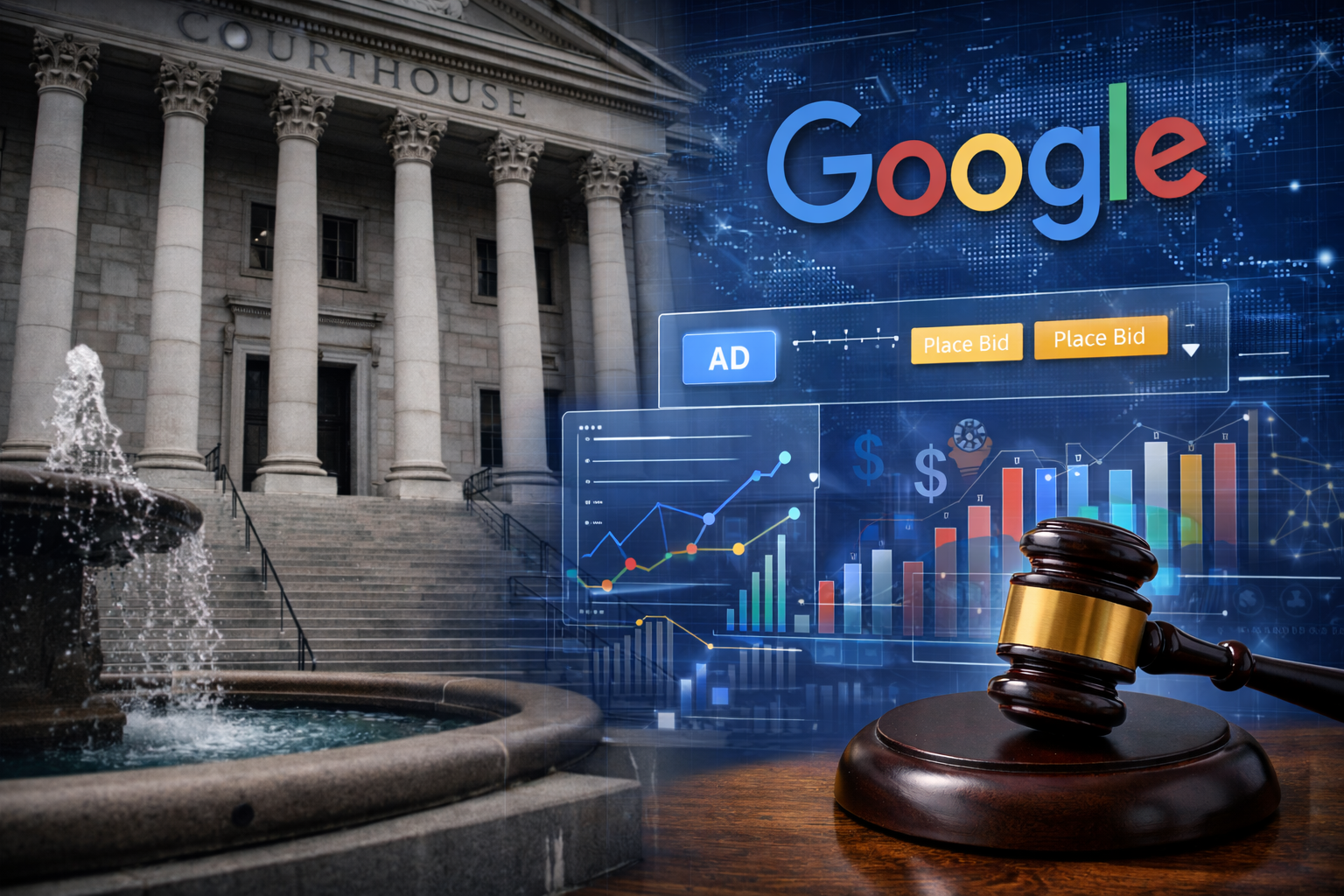
The Washington Attorney General has filed a lawsuit accusing Google of illegally maintaining monopoly power in the digital advertising market. The case focuses on how Google allegedly controls key tools used to buy, sell, and manage online advertising, giving the company unfair influence over prices, competition, and market access.

According to the lawsuit, Google dominates multiple layers of the digital advertising ecosystem at the same time. These layers include tools advertisers use to purchase ads, exchanges where ads are bought and sold, and systems publishers rely on to manage and monetize ad space. The state argues that this level of control allows Google to favor its own products and restrict competition.

Digital advertising plays a central role in the modern economy. Small businesses depend on ads to reach customers. Media companies rely on advertising revenue to fund news, entertainment, and online services. The lawsuit claims Google’s conduct distorted this market by limiting choice and transparency for both advertisers and publishers.

One major allegation involves how Google’s advertising tools are designed to work best with each other. Advertisers often feel pressure to use Google’s buying tools to access inventory. Publishers, in turn, rely heavily on Google’s selling platforms to reach advertisers. The state argues this structure discourages competitors and locks users into Google’s ecosystem.

The lawsuit also claims Google manipulated ad auctions. These auctions determine which ads appear on websites and how much advertisers pay. According to the complaint, Google designed auction rules that advantaged its own exchange while reducing visibility into how prices were set. This allegedly resulted in higher costs for advertisers and reduced revenue for publishers.

Washington officials argue that these practices harmed competition and slowed innovation. When competitors cannot fairly access the market, new technologies and alternative platforms struggle to gain traction. The state claims this reduced pressure on Google to improve transparency or lower fees.

The lawsuit further alleges that higher advertising costs are ultimately passed on to consumers. Businesses often factor marketing expenses into product pricing. When advertising markets are less competitive, consumers may end up paying more for goods and services.

This case follows years of increased scrutiny of large technology companies. Regulators have raised concerns about concentrated power in digital markets, particularly where companies control infrastructure rather than just products. The lawsuit reflects a broader effort by states to challenge complex monopolistic behavior in online systems.

Google has denied the allegations and argues that its advertising tools benefit businesses by increasing efficiency and performance. The company claims advertisers and publishers choose its services because they are effective and competitive. The court will be asked to decide whether those choices were freely made or shaped by market dominance.

If the state prevails, the consequences could be significant. Possible outcomes include court ordered changes to how advertising systems operate, restrictions on business practices, financial penalties, or ongoing oversight. Any structural changes could reshape how online advertising functions across the internet.

The case also has implications beyond one company. It signals that states are willing to take on highly technical markets and challenge business models that rely on integrated control. Other companies operating large digital platforms may face increased legal risk if similar practices are found.

For advertisers, the lawsuit could lead to more transparency and competition. Increased choice may result in lower costs and better performance. For publishers, reduced reliance on a single provider could improve revenue stability and bargaining power.

For consumers, the impact may be indirect but meaningful. Healthier competition in advertising markets can reduce costs across the economy and support a more diverse online ecosystem.

As the case moves forward, it may take years to resolve. However, even early court rulings and disclosures could influence industry behavior. Companies involved in digital advertising should pay close attention to how courts evaluate market power, design choices, and competitive harm.

Washington Attorney General Sues Amazon Over Alleged Use of Dark Patterns in Online Purchases

Washington Attorney General Sues Amazon Over Alleged Use of Dark Patterns in Online Purchases

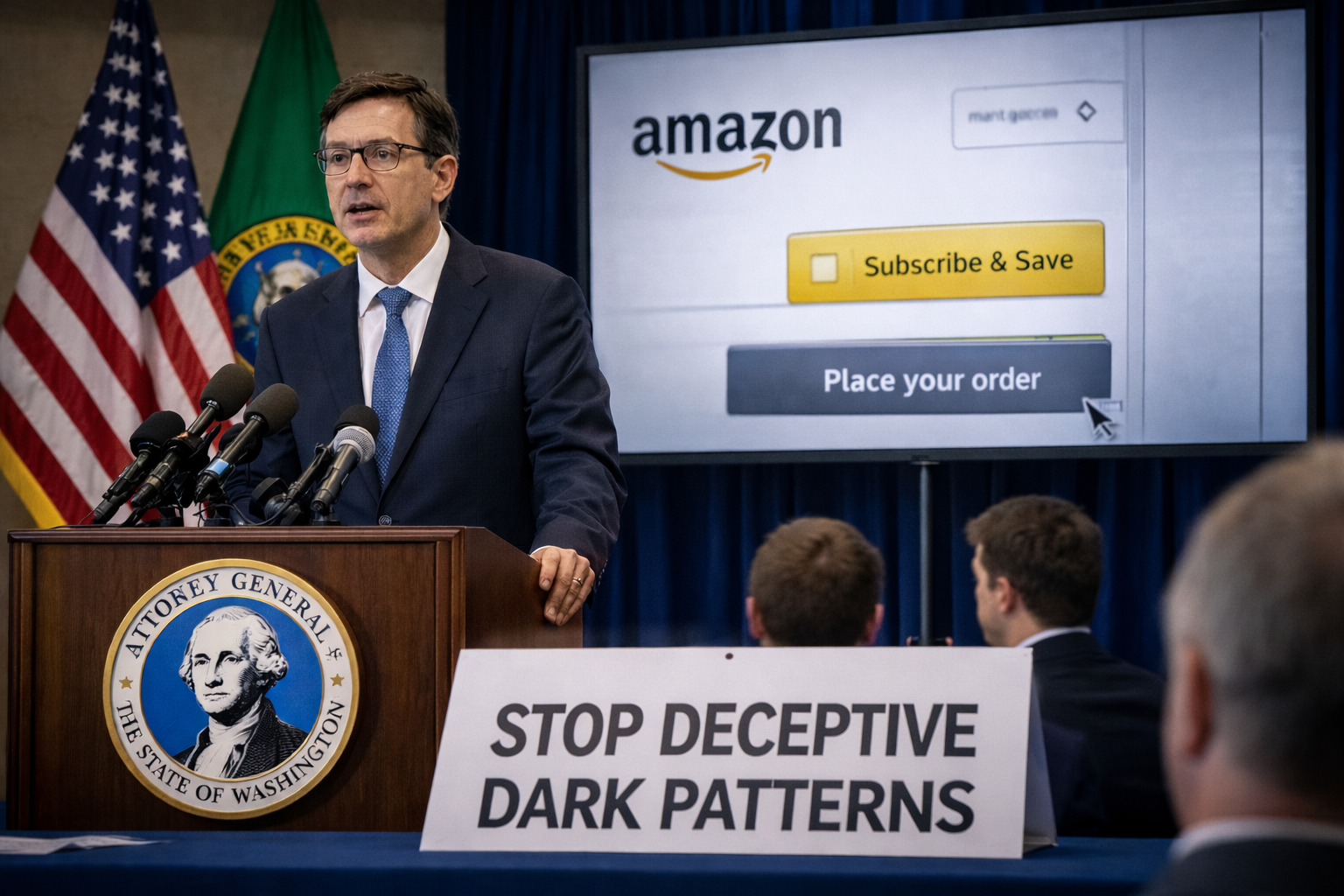
The Washington Attorney General has filed a lawsuit against Amazon, accusing the company of using deceptive design practices known as dark patterns to push consumers into unwanted subscriptions and charges. The case focuses on how Amazon allegedly steered users into enrolling in Amazon Prime without clear consent, then made cancellation difficult.

The lawsuit was brought by Bob Ferguson, who claims these practices violate Washington’s Consumer Protection Act. According to the complaint, millions of users nationwide may have been affected, including a large number of Washington residents.

Dark patterns are interface designs that guide users toward decisions they might not otherwise make. In this case, the state alleges Amazon used confusing language, repeated prompts, and obstructive steps to pressure customers into Prime memberships that cost $14.99 per month or $139 per year.

The lawsuit claims consumers were often led to believe Prime enrollment was required to complete a purchase. In other instances, users attempting to cancel Prime reportedly faced multiple screens, vague button labels, and warnings designed to slow the process. The state argues these tactics were intentional and systematic.

Washington regulators say this conduct caused real financial harm. Some consumers paid for Prime for months or years without realizing they were enrolled. Others abandoned cancellation attempts due to time and frustration. The complaint states that this behavior undermines informed consent, a core requirement under consumer protection law.

This lawsuit fits into a broader national effort to rein in manipulative digital design. Regulators across the country are taking a harder look at how large platforms influence consumer behavior. The Federal Trade Commission has warned that dark patterns can qualify as unlawful deception.

For Amazon, the financial exposure could be significant. The state is seeking injunctive relief, civil penalties, and restitution. Washington law allows penalties of up to $7,500 per violation. If each affected consumer counts separately, damages could climb quickly.

Amazon has denied wrongdoing and maintains that Prime enrollment and cancellation are simple. The company states users can cancel online in minutes. The court will likely examine whether the average consumer would find the design misleading, not whether cancellation was technically possible.

This case matters to consumers because it could force changes to how subscriptions are sold online. A ruling against Amazon may require clearer opt ins and faster cancellations across many industries, including streaming, software, and e-commerce.

It also matters to businesses. Any company using recurring billing should review its checkout and cancellation flows now. Designs that add friction or obscure choices can create legal risk.

If you believe you were signed up for a subscription without clear consent or struggled to cancel, this lawsuit is one to watch. Cases like this often result in refunds, policy changes, or consumer claim programs.

Defective Child Car Seat Failures, How Recalls and Lawsuits Are Protecting Kids

Defective Child Car Seat Failures, How Recalls and Lawsuits Are Protecting Kids

Child car seats are supposed to keep children safe during a crash. When they fail, parents are left facing the very danger the product was designed to prevent. In 2025, several major recalls have focused national attention on defective child car seats that have caused injuries during routine use and during collisions. These cases show how product liability law can protect families when manufacturers fall short.

Many of the recent claims involve buckle failure, unstable bases, and structural cracking. Parents reported that buckles popped open during minor impacts or that the seat shifted unexpectedly while driving. Some discovered the defects only after a crash, when the seat failed to restrain the child properly. These failures led to concussions, fractures, internal injuries, and serious emotional trauma.

Why do these seats fail? Investigations point to several causes. Some manufacturers used cheaper components that weakened over time. Others released new models without adequate testing for heat exposure or long-term wear, which can warp plastic and weaken locking mechanisms. A number of seats passed initial safety tests but failed under real-world conditions, such as extended sun exposure in cars or repeated installation and removal by busy parents.

Families affected by these failures often pursue product liability lawsuits. These cases fall into three categories. The first involves defective design, meaning the seat was unsafe before it was ever sold. The second focuses on manufacturing defects, where mistakes in production lead to weak or flawed components. The third involves failure to warn, which occurs when manufacturers do not tell parents about known risks or required maintenance.

Manufacturers defend these cases by claiming misuse. They often argue that parents installed the seat incorrectly or ignored instructions. However, many modern seats claim to offer easy installation and clear guidance. If the product is marketed as simple and intuitive, the manufacturer still shares responsibility when the design leads to common installation errors.

The recalls also raise questions about oversight. Safety standards for child seats are strict, but they rely heavily on manufacturer reporting. When companies discover defects, they are expected to notify federal regulators promptly. In several recent cases, evidence suggests that manufacturers waited months before taking action, even after receiving multiple injury reports. Delayed recalls increase the risk for families who trust that the products they buy are already safe.

Parents can take steps to protect themselves. Anyone who experiences a buckle failure, shifting base, or cracked frame should document the issue immediately. Photos, videos, and written notes help build a strong foundation for a claim. Filing a report with federal safety agencies also ensures the complaint becomes part of the public record. If a child is hurt, medical documentation should begin as soon as possible, even if symptoms seem minor.

Attorneys handling these cases often work with engineers, crash experts, and pediatric specialists to show how a defect contributed to the injury. Expert testimony helps courts understand the physics of restraint systems and how even small design flaws can lead to major harm. These cases also help reveal patterns, showing whether the defect is isolated or widespread across a product line.

For parents, the emotional impact can be significant. Many families trusted the manufacturer, followed instructions carefully, and believed they were protecting their child. When a car seat fails, the sense of betrayal can be overwhelming. Lawsuits offer more than compensation. They offer accountability and push companies to improve safety.

For manufacturers, these cases are reminders that child safety cannot be compromised. Stronger testing, transparent reporting, and faster recall procedures reduce legal risk and protect families. Parents depend on these products in emergencies, and the law expects companies to honor that responsibility.

These lawsuits are shaping the future of child safety products. As more cases reach court, manufacturers are being pushed to redesign seats, strengthen materials, and communicate risks more clearly. When child safety is on the line, failure is never acceptable.

Medical Device Manufacturer Settles Hundreds of Claims Over Implant Failure

Medical Device Manufacturer Settles Hundreds of Claims Over Implant Failure

One of the nation’s largest medical device manufacturers has reached a major settlement after hundreds of patients claimed that a popular implant caused serious injuries. The case, which involved a defective joint replacement system, underscores the growing legal pressure on companies to ensure product safety long after their devices reach the market.

The lawsuit alleged that the implant’s design caused it to loosen or fail prematurely, leading to chronic pain, mobility loss, and additional surgeries. Patients said they were never warned about the potential risks, even as the manufacturer received reports of complications from surgeons and hospitals. The settlement, though confidential, is believed to be substantial and may shape how future medical device claims are handled nationwide.

Medical devices are supposed to improve quality of life. When they fail, the consequences can be devastating. A faulty implant can lead to infection, nerve damage, or permanent disability. Patients often face multiple revision surgeries, months of rehabilitation, and lasting emotional distress. These injuries also raise questions about how manufacturers monitor device performance once products are approved for sale.

Federal regulators require ongoing safety reporting, but enforcement can be inconsistent. Many patients never know a recall is underway until after they experience complications. Attorneys representing plaintiffs in this case argued that the company had early evidence of device failure but delayed issuing a public warning to protect its market share. If proven, such conduct can support punitive damages, designed to punish reckless corporate behavior.

The settlement also shines a light on the approval process for medical devices. Some products enter the market through an expedited pathway that allows manufacturers to avoid lengthy clinical testing if a device is considered “substantially equivalent” to one already approved. Critics say this system prioritizes speed over safety and leaves patients vulnerable to unforeseen risks.

What makes this case significant is not just the money involved but the precedent it sets. By agreeing to settle hundreds of claims at once, the manufacturer avoided further discovery that could have exposed internal communications and testing data. Legal experts say the move may protect the company in the short term but invites closer scrutiny from regulators and the public.

For patients, the outcome offers both relief and warning. Those included in the settlement will receive compensation for medical costs and pain, but many others remain outside the agreement. Lawyers expect additional lawsuits to follow, including new claims related to similar implant models still in use. The message is clear: if a medical device fails, patients have a right to ask why.

For the industry, the implications are serious. Medical device companies must now balance innovation with accountability. That means investing in better testing, transparent reporting, and stronger communication with doctors and patients. Hospitals and surgeons are also urged to track outcomes more closely and report complications promptly to ensure early detection of potential defects.

As these cases continue to unfold, the focus is shifting from isolated recalls to systemic reform. Consumer safety advocates are calling for public databases that track medical device performance and make data accessible to patients and physicians alike. Such transparency could prevent future harm and rebuild trust in a field that relies on it completely.

The settlement may close one chapter, but it opens another conversation about patient safety, corporate ethics, and the true cost of innovation. When medical devices fail, it is not just a technical problem — it is a human one, with consequences that reach far beyond the operating room.

Cybersecurity Lawsuits on the Rise

Cybersecurity Lawsuits on the Rise: Holding Companies Accountable for Data Breaches

In 2025, lawsuits tied to data breaches are becoming one of the fastest-growing areas in civil litigation. Across the nation, courts are seeing a sharp rise in claims against corporations that failed to protect sensitive customer information. For consumers, this shift signals a growing recognition that privacy is not just a personal concern but a legal right.

Why are these lawsuits becoming so common? The simple answer is volume and vulnerability. As more companies store financial, health, and personal data online, the opportunities for hackers grow. Every breach has the potential to expose millions of records, putting victims at risk of identity theft, financial loss, and emotional stress. Many lawsuits claim that companies failed to maintain basic cybersecurity standards or ignored known weaknesses that could have prevented the intrusion.

How do these cases typically begin? Often, plaintiffs file class actions after a major breach becomes public. They argue that the company owed a duty to safeguard personal data and that its failure to act reasonably caused measurable harm. The claims usually focus on negligence, breach of implied contract, or violation of consumer protection laws. Victims seek compensation for time spent resolving identity theft, money lost to fraud, and ongoing anxiety about how their personal information might be used.

Businesses, of course, fight back. Defendants often claim that they were victims too, that cyberattacks were unpredictable, or that they complied with accepted industry standards. They may also argue that consumers cannot prove direct harm, since stolen data does not always lead to measurable financial loss. Courts are now beginning to address these defenses more aggressively, making it harder for companies to escape accountability.

What makes 2025 different from previous years is how courts are treating intangible harm. Judges are increasingly willing to recognize that privacy violations and emotional distress are real injuries. This means plaintiffs no longer have to show that hackers used their data to steal money before they can recover damages. The law is slowly catching up to the reality of living in a digital world.

The industries facing the most lawsuits are healthcare, banking, retail, and education. Each sector handles massive amounts of personal data, and each faces unique regulatory obligations. Healthcare providers are sued for exposing patient records, while retailers face claims for leaking credit card information. Financial institutions are under particular scrutiny because customers expect their funds and data to be protected at the highest level.

What lessons can businesses take from this? The first is that prevention is no longer optional. Encryption, secure authentication, and continuous monitoring are now standard expectations. The second is that response matters. Companies that delay notifying affected customers often face higher penalties and lose trust more quickly. Prompt disclosure, transparent communication, and immediate mitigation steps can reduce both legal and reputational damage.

For consumers, the rise in cybersecurity lawsuits offers a measure of protection. The legal system is recognizing that negligence in data protection carries real consequences. As these cases move forward, companies will likely face stronger incentives to invest in security and to treat personal data with the same care as any other valuable asset.

The message from the courts is clear. When corporations profit from personal information, they must also bear the responsibility of keeping it safe. Data breaches are no longer just technical failures. They are legal failures that demand accountability.

Amazon Sued for Allegedly Allowing Fake Products That Harmed Consumers

Amazon Sued for Allegedly Allowing Fake Products That Harmed Consumers

Amazon is once again under legal fire — this time over claims that it allowed counterfeit and dangerous products to be sold on its platform, resulting in serious harm to consumers. A group of plaintiffs across multiple states has filed a lawsuit accusing the retail giant of negligence, deceptive practices, and failure to protect the public from third-party sellers who list fake, unsafe, or untested goods.

What happens when trust in a platform replaces due diligence? The lawsuit argues that Amazon’s dominance in the e-commerce world has led consumers to assume safety and quality — even when the products they’re buying come from unverified sellers overseas. Plaintiffs describe injuries, allergic reactions, and property damage caused by products that bore fake brand labels, misleading claims, or counterfeit certifications.

Amazon’s business model is central to the case. While it operates as a marketplace, the plaintiffs say Amazon exerts control over listings, fulfillment, and even packaging. That control, they argue, comes with responsibility. The lawsuit claims Amazon profited from every sale while turning a blind eye to the risks — especially when repeat complaints surfaced about specific sellers or product types.

Can Amazon be held liable for what others sell on its platform? That legal question has been debated for years. Traditionally, courts treated Amazon like a digital mall — hosting vendors, but not accountable for what they sell. But in recent rulings, some judges have signaled that Amazon’s deep integration with logistics and advertising may blur that line. When the company handles payment, warehousing, shipping, and returns, is it still just a middleman?

Amazon has responded by pointing to its investment in safety systems and counterfeit detection. The company says it removes millions of listings every year and works closely with brands to stop fraudulent activity. But critics argue those efforts aren’t enough. They say reactive enforcement leaves consumers exposed — especially when dangerous products are allowed to stay online even after warnings.

The lawsuit goes further, claiming that Amazon’s algorithm actively promotes questionable products by prioritizing lower price and volume over verified safety. That, they argue, creates a system where cheap, unsafe goods are rewarded — and the consumer pays the price.

Should online marketplaces be treated like retailers when harm occurs? This case could set a major precedent. If Amazon is held responsible, other platforms — from Etsy to eBay — may be forced to overhaul how they vet sellers and monitor product claims. That could reshape the digital marketplace in favor of consumer safety, but also raise operational costs.

Who stands to gain if the plaintiffs win? Anyone who’s ever bought a product online and assumed it was real, safe, and reviewed honestly. This case is about trust — the invisible agreement between buyer and platform. When that trust is broken, the question becomes: who pays?

The answer may soon be decided in court. And it could change how the internet’s biggest store does business.

Walmart Settles Class Action Lawsuit Over False Advertising of Weighted Products

Walmart Settles Class Action Lawsuit Over False Advertising of Weighted Products

Walmart has agreed to settle a class action lawsuit brought by consumers who accused the retail giant of falsely advertising the net weight of certain household and food items. The settlement, which includes a multi-million dollar payout and changes to product labeling practices, marks another major example of corporate accountability in the consumer goods sector.

The lawsuit alleged that Walmart sold products with labels that overstated the quantity or weight of the contents inside. Consumers reported that some packages contained as much as 15% less than what was promised. Affected items ranged from packaged produce to cleaning supplies and even protein powders.

Plaintiffs argued that Walmart violated state and federal consumer protection laws by misleading customers at the point of purchase. The complaint detailed instances where the shelf label and packaging both reflected inaccurate weights, leading to inflated prices per unit.

Attorneys representing the plaintiffs said the issue wasn’t isolated. “This was not a one-off mistake. It was a pattern of overstatement that cost consumers millions collectively,” one attorney explained. “People trust the information printed on packaging. When that information is wrong, it’s not just misleading—it’s unlawful.”

Walmart has denied any wrongdoing but agreed to a financial settlement of $6.5 million to resolve the claims. The money will be used to reimburse consumers who purchased the mislabeled products between 2018 and 2023. Eligible consumers will be able to file claims online and receive compensation based on proof of purchase or estimated quantities purchased.

In addition to the payout, Walmart has pledged to update its packaging and improve its internal auditing process. A spokesperson for the company said, “While we believe our labeling practices met industry standards, we are committed to transparency and accuracy for our customers. This settlement allows us to move forward without prolonged litigation.”

Legal analysts say the case highlights the importance of accurate labeling, especially in an economy where families closely monitor grocery and household spending. Even small discrepancies in weight can add up over time, particularly for budget-conscious consumers.

The lawsuit follows a growing trend of class actions targeting deceptive marketing and packaging claims. In recent years, companies across the food, beauty, and household product industries have faced lawsuits for misrepresenting ingredients, product volume, or functionality.

Consumer watchdog groups applauded the outcome, calling it a win for everyday shoppers. “This case reminds companies that they will be held accountable when they exaggerate claims on packaging. Consumers deserve honesty—especially from the largest retailers in the country,” said a spokesperson from a national consumer advocacy organization.

The settlement still requires final approval from a federal judge, but no objections are expected. If approved, Walmart will begin issuing reimbursements by the end of the year.

For now, consumers are being encouraged to review their past purchases and save receipts for any eligible products.

Legal Challenges Facing Facebook Over Data Privacy

Legal Challenges Facing Facebook Over Data Privacy

Facebook, now operating under its parent company Meta Platforms, continues to face mounting legal challenges across the United States related to its handling of user data, privacy breaches, and allegations of anti-competitive behavior. These lawsuits have intensified following revelations that the social media giant allegedly misled users about how their personal data was collected, stored, and shared with third parties.

In recent months, several state attorneys general and private plaintiffs have filed lawsuits claiming Facebook violated state consumer protection laws and federal privacy standards. The complaints accuse Facebook of exploiting user data to maintain its dominance in the digital advertising market while failing to properly inform users about the extent of data collection.

A key focus of the litigation involves Facebook’s use of tracking technologies, including pixels and cookies, which allegedly continue to collect data even when users are logged out of the platform or visiting unrelated websites. Plaintiffs argue that these practices constitute a breach of trust and violate wiretap laws in several jurisdictions.

In one high-profile case filed in California, a group of users claims that Facebook collected sensitive health information through embedded trackers on hospital websites. The lawsuit alleges that data was transmitted back to Meta for targeted advertising, without the users’ knowledge or consent. Facebook has denied wrongdoing, stating it has strict policies against using health data for advertising purposes.

Another major legal front involves Facebook’s historical relationship with third-party developers, notably the fallout from the Cambridge Analytica scandal. That incident, which exposed the data of nearly 87 million users, sparked federal investigations and a $5 billion settlement with the Federal Trade Commission in 2019. Plaintiffs argue that similar breaches have occurred since then due to inadequate oversight.

Meta now faces a potential class-action lawsuit that could include millions of users, and some state-level lawsuits seek injunctive relief to force Facebook to alter its data handling practices. Legal experts say these cases could set new standards for how tech companies manage personal information.

Meta has responded by rolling out new privacy tools and transparency features. The company emphasizes that it provides users with detailed controls over their data and complies with all relevant laws. However, critics argue these changes came only after public outcry and government pressure.

As litigation continues, regulators and privacy advocates are pushing for broader reforms in digital privacy laws. Many hope these lawsuits will prompt Congress to pass comprehensive federal privacy legislation.

For now, the legal spotlight remains fixed on Facebook. With billions of users worldwide and a central role in online communication, the company’s next moves could reshape the tech industry’s approach to data privacy and consumer rights.