Roof Collapse Risk in Aging Apartment Buildings, Tenant Rights and Landlord Negligence
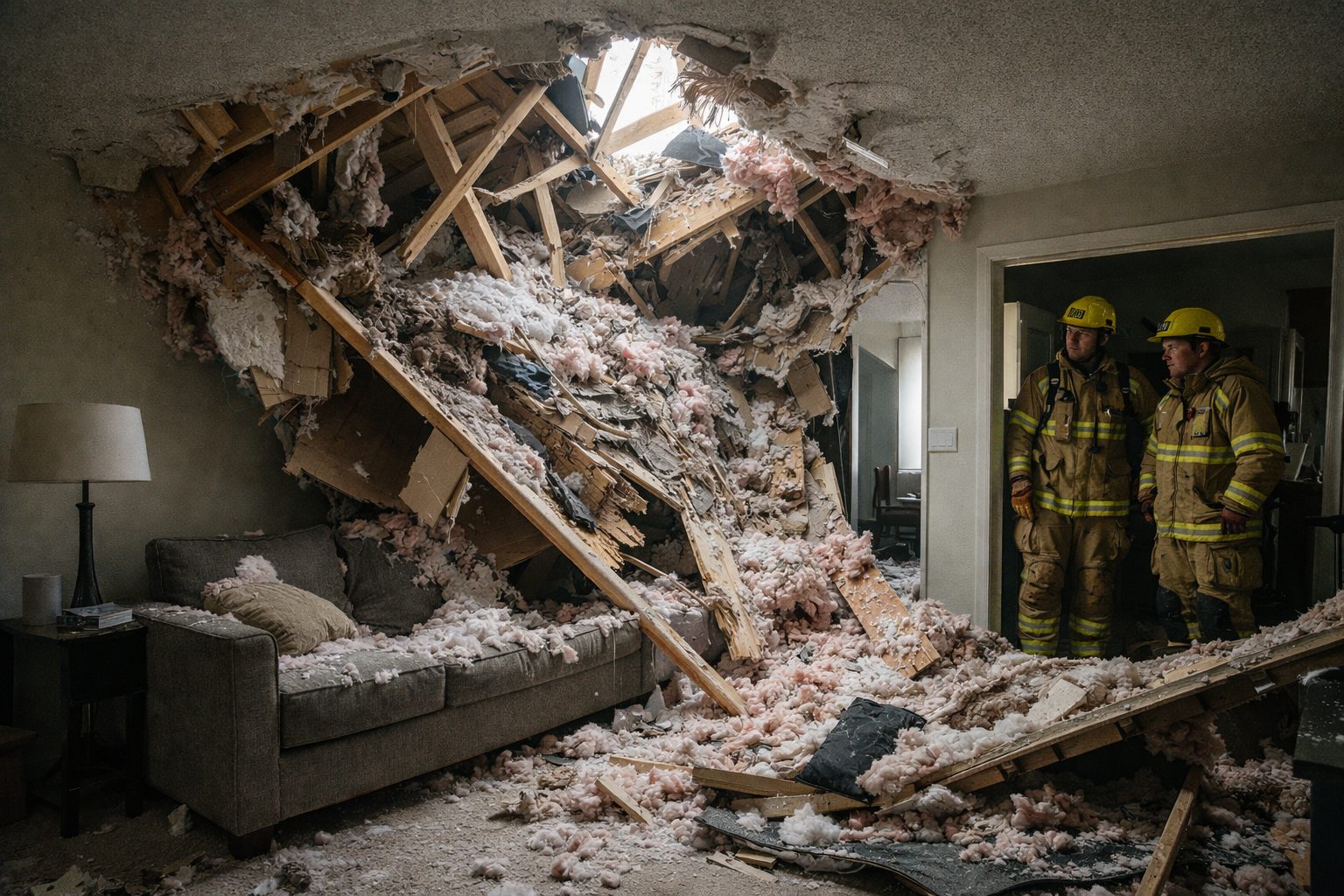
Aging apartment buildings across the country are showing signs of serious structural problems, and roof collapses have become one of the most alarming hazards for tenants. These incidents are happening more often in older complexes that have not been maintained properly. When a roof fails, the results can be devastating. Tenants may suffer injuries, lose their belongings, or find themselves suddenly displaced with nowhere to go. These cases raise important questions about landlord responsibility and tenant rights.
Roof collapses rarely happen without warning. Many buildings show early signs of structural stress. Water leaks, sagging ceilings, mold, and cracking drywall often indicate that the roof is weakening. In many collapse cases, tenants reported these problems to landlords months before the incident. When property owners ignore or delay repairs, they place residents at high risk.
Under the law, landlords must maintain safe living conditions. This includes repairing structural damage, preventing water intrusion, and inspecting aging buildings. When landlords fail to perform these duties, they may be found negligent. Tenants injured in a collapse can bring claims for medical bills, lost wages, emotional distress, and property damage. Courts often rule in favor of tenants when evidence shows that the landlord knew about the risk and failed to take action.
Weather plays a major role in these cases. Heavy rain, snow, and wind place extra stress on old roofs. In wet climates, water can weaken support beams and cause wood rot. Poor drainage systems and clogged gutters add even more pressure. When a storm hits a building already in poor condition, a collapse becomes far more likely. Landlords have a responsibility to prepare for seasonal weather and perform timely inspections.
Insurance disputes often arise after a collapse. Some landlords claim the damage was caused by a sudden, unforeseeable event, hoping to shift blame away from poor maintenance. However, inspectors frequently find long-term neglect. If insurance companies determine that the collapse resulted from failure to maintain the property, they may deny coverage. That leaves landlords personally responsible for tenant injuries and repairs.
Tenants have options when they suspect a roof is unsafe. They should document leaks, stains, warped ceilings, or any unusual noise coming from above. Taking photos and videos helps create a timeline of the problem. Reporting the issue in writing to the landlord is important because it proves the landlord was notified. If the landlord does not respond, tenants may contact local building inspectors, who can order emergency repairs or condemn unsafe areas.
When a collapse occurs, safety comes first. Tenants should evacuate immediately and call emergency services. Hospitals and first responders can document injuries, which is essential for any future claim. Afterward, tenants should avoid signing any release forms or accepting compensation from the landlord without legal advice. Landlords sometimes offer small payments in exchange for waiving future claims, but these offers rarely cover the true cost of the loss.
Roof collapse cases often reveal broader issues in aging rental properties. Some landlords fail to invest in upgrades or inspections because they want to avoid short-term expenses. Others rely on patch repairs rather than addressing underlying structural problems. These choices place tenants at risk and expose landlords to significant liability.
For tenants, the law is clear. Landlords must provide safe housing. When they fail, tenants have the right to pursue compensation. These cases remind property owners that maintenance is not optional. It is a legal and moral responsibility. Ignoring structural damage can turn a manageable repair into a serious hazard that endangers everyone inside the building.
Roof collapse lawsuits are pushing landlords nationwide to take building safety more seriously. Stronger inspections, better maintenance practices, and faster responses to repair requests can prevent injuries and save lives. Tenants deserve safe homes, and the law supports them when landlords fail to provide it.