Archive for national lawsuits

Pharmacy Look-Alike Medication Errors

Pharmacy Look-Alike Medication Errors, Why Misfill Mistakes Are Triggering Lawsuits Nationwide

Pharmacies fill millions of prescriptions every day. Most of the time, the process goes smoothly, but when it does not, the consequences can be life changing. One of the fastest-growing areas of pharmacy negligence involves look-alike medications. These are pills or capsules that appear similar in color, size, or shape, even though they contain very different active ingredients. When a pharmacist or technician selects the wrong medication, the results can be severe.

These errors often begin with simple visual confusion. Pharmacies stock hundreds of medications, many packaged in similar containers. Some are nearly identical except for small numbers or slight variations in color. When staff members work under time pressure, misfills become more likely. A customer expecting a blood pressure medication may instead receive a strong pain reliever. A parent may pick up a prescription for a child, not knowing the bottle contains an adult-strength dose of a different drug.

Victims of these mistakes often suffer immediate harm. Serious reactions can include breathing problems, heart issues, dangerous drops in blood pressure, or internal organ damage. Some patients experience allergic reactions or interactions with other medications they take. In the most tragic cases, look-alike medication errors have led to hospitalization or death.

Why do these errors continue to happen? High workloads and staffing shortages play a major role. Pharmacies handle fast turnaround times, constant phone calls, and long lines at the counter. Under these conditions, safety checks may be rushed or skipped. Even when software flags potential errors, staff may override the alerts due to workload pressure.

Pharmacies have clear legal duties. They must verify prescriptions, ensure accuracy, and confirm that the medication matches the doctor’s order. They also have a responsibility to maintain safe working conditions for technicians and pharmacists. When training is poor or workplace demands make careful verification difficult, the pharmacy can be held liable.

Lawsuits involving look-alike medication errors focus on negligence. Victims argue that the pharmacy failed to follow basic safety procedures, such as scanning the drug, double-checking labels, or comparing the medication with the patient profile. Some claims involve corporate negligence when management pressures employees to meet speed targets at the expense of accuracy.

Children and older adults face the highest risks. A small error in dosage or drug type can cause severe reactions. Parents who discover that their child received the wrong medication often experience significant fear and stress, and courts recognize these emotional harms. Older adults may suffer long-term complications from drug interactions, especially when they take multiple medications.

Victims should act quickly. Saving the medication bottle, the pills, and the receipt helps preserve evidence. Taking photos of the medication and keeping all documentation strengthens a claim. Seeking medical attention right away is essential, even if symptoms seem mild at first. Doctors can determine whether the incorrect medication caused harm and document the impact.

Pharmacies can reduce these errors by improving staff training, separating look-alike medications, and using color-coded storage systems. Increasing staffing during busy hours and reducing performance pressure also lowers the risk of mistakes. Customers can help protect themselves by checking the label, opening the bottle before leaving, and asking the pharmacist to confirm the drug name and dosage.

Look-alike medication errors are preventable. As more victims come forward, pharmacies across the country are being reminded that accuracy is not optional. When patients trust a pharmacy with their health, that trust must be honored. These lawsuits send a clear message that safety must remain the priority, no matter how busy the day gets.
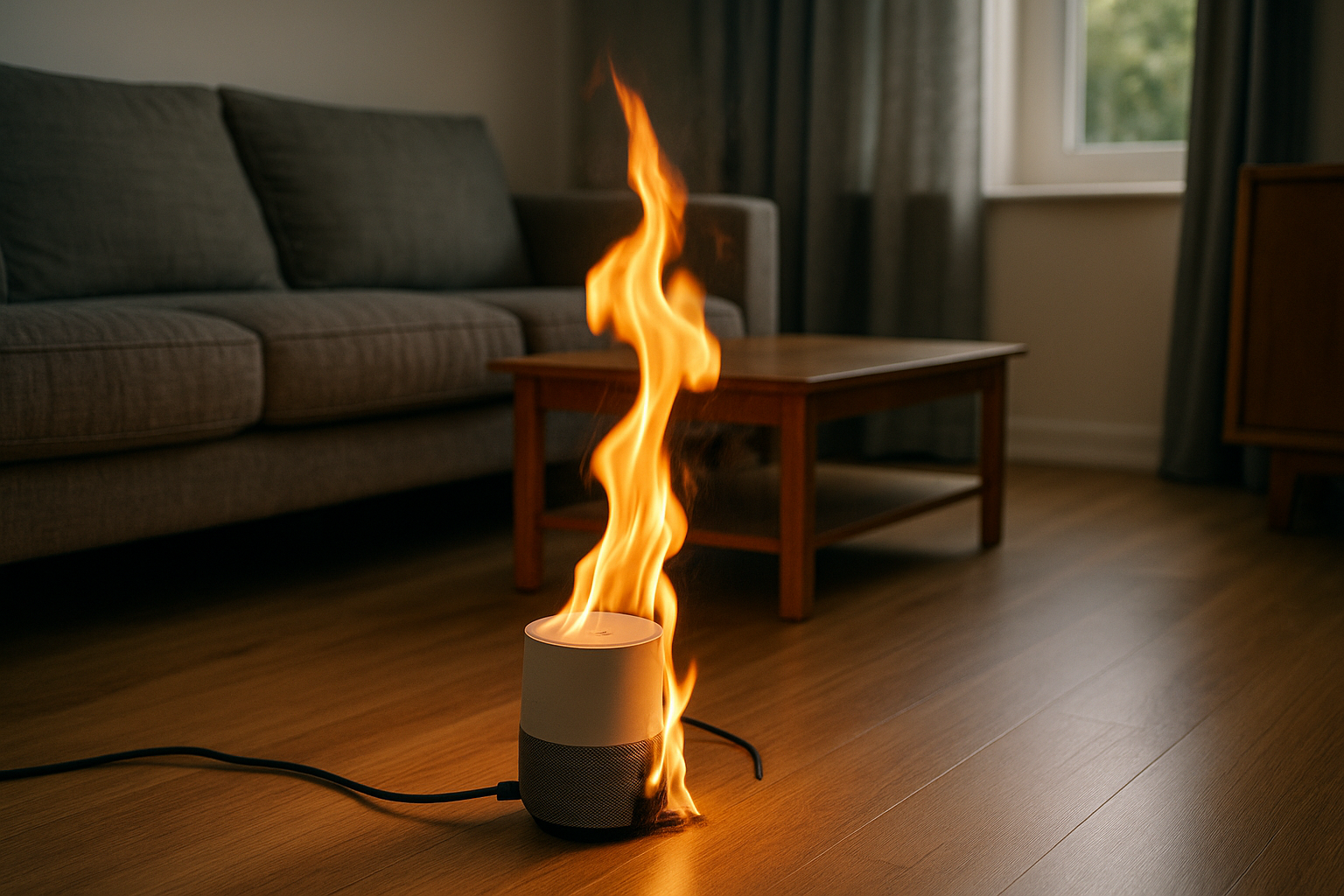

Emerging Litigation Over Smart Home Device Fires Highlights Product Design Risks

Emerging Litigation Over Smart Home Device Fires Highlights Product Design Risks

As smart home devices become fixtures in American households, new legal questions are emerging about their safety. Recent fire incidents linked to faulty charging systems, overheating batteries, and software malfunctions have led to a wave of product liability claims. These lawsuits are forcing manufacturers to confront the hidden risks of connected technology.

Smart home devices promise convenience and control. They manage thermostats, lighting, appliances, and even security systems with a few voice commands. But behind the innovation is complex hardware that runs continuously, often drawing power 24 hours a day. When these systems fail, the results can be catastrophic. Fire departments across the country have reported an increase in home fires caused by malfunctioning devices, from smart plugs to robotic vacuums.

What makes these cases different from traditional product defects is the combination of software and hardware failure. A battery might overheat because of a design flaw, but a software glitch can prevent the device from shutting down safely. That overlap complicates liability. Manufacturers often point fingers at third-party component suppliers or software developers, while victims argue that the entire product was sold as a single, integrated system.

In product liability law, the concept of “stream of commerce” plays a central role. It means that every company involved in designing, manufacturing, or distributing a product can be held responsible for defects. For smart devices, that stream often includes multiple contributors — hardware makers, firmware developers, and cloud service providers. Plaintiffs are now arguing that each should share liability when a failure causes injury or property damage.

The lawsuits also highlight another issue: data collection. Many smart devices record temperature levels, power usage, and error logs. These records can reveal whether a manufacturer knew about overheating problems before a fire occurred. In some cases, internal testing data shows that companies detected the same issues long before the products reached consumers. Such evidence can turn an ordinary negligence case into one involving gross misconduct.

Insurance companies are also paying attention. As more claims arise from smart home fires, insurers are reassessing coverage for homeowners and manufacturers alike. Some policies now exclude damage caused by “connected electronic devices,” shifting risk back to consumers. This has sparked debate about whether insurance laws need to evolve to keep pace with technology.

For consumers, prevention remains key. Avoid plugging multiple smart devices into the same outlet, and monitor products that stay powered on overnight. Manufacturers recommend using only approved charging cables and keeping firmware updated to prevent overheating. Simple maintenance steps can prevent disasters before they start.

For attorneys, these lawsuits represent a new frontier in product liability. They require understanding both engineering and data forensics. Expert witnesses must explain how heat transfer, electrical resistance, and programming logic interact to create failure. Courts are adapting quickly, but many judges acknowledge that existing product liability rules were not built for devices that rely on both physical and digital systems.

The broader legal impact could be significant. If plaintiffs succeed in proving systemic negligence, manufacturers may face new safety regulations requiring built-in temperature sensors, fire suppression systems, or mandatory software updates. This could reshape how future smart devices are designed, tested, and sold.

In the rush to make homes smarter, some companies may have overlooked the basics of safety. These lawsuits are not just about fires; they are about trust. When technology enters the home, it carries an unspoken promise that it will protect, not endanger. Courts are now determining what happens when that promise is broken.

Pharmacy Chain Faces Multi-State Action After Medication Interaction Caused Fatalities

Pharmacy Chain Faces Multi-State Action After Medication Interaction Caused Fatalities

A growing number of lawsuits have been filed against one of the nation’s largest pharmacy chains after reports that a dangerous medication interaction caused multiple deaths. The allegations point to a breakdown in the systems designed to protect patients from harmful drug combinations, raising questions about how pharmacies monitor prescriptions across state lines.

At the center of the claims is a series of incidents where patients were given prescriptions for drugs that, when taken together, produced toxic reactions. Families argue that the pharmacy chain had data systems capable of flagging the risk but failed to issue warnings to pharmacists or physicians. They claim the company prioritized speed and convenience over patient safety, leading to tragic outcomes.

Pharmacies occupy a unique position in the healthcare system. They are the final checkpoint before medication reaches the patient. When a pharmacist fills a prescription, they have both a legal and ethical duty to identify potential interactions, verify dosages, and contact the prescribing doctor if concerns arise. In this case, plaintiffs say those safeguards broke down.

The lawsuits fall under the area of product liability and professional negligence. Product liability typically targets manufacturers, but when a pharmacy fails to exercise proper care, it can share in the responsibility. The law does not allow companies to hide behind technology or policy when human lives are at risk.

Defendants in these cases often argue that responsibility lies with the prescribing physician, not the pharmacy. They may claim that the doctor should have known about the potential conflict between medications. But modern pharmacy software is built to catch exactly these kinds of errors. If the system fails or alerts are ignored, the pharmacy can be held directly accountable.

In some states, these lawsuits may also include claims of corporate negligence. That occurs when a company’s management or corporate policies contribute to the harm. For example, evidence might show that corporate leaders discouraged pharmacists from making extra verification calls to doctors because it slowed down service times. If proven, that kind of policy can support punitive damages, which are meant to punish and deter reckless business practices.

Beyond the legal issues, this case underscores a national concern about automation in healthcare. Pharmacies increasingly rely on centralized computer systems to approve, track, and refill prescriptions. While those systems improve efficiency, they also introduce new risks. When warnings are missed or overridden, the consequences can be deadly.

The families bringing these lawsuits hope their cases will push for reform. They want stricter oversight of pharmacy technology, stronger whistleblower protections for pharmacists, and better communication between doctors and pharmacy chains. Consumer safety advocates are also calling for an independent database to track medication-related injuries and deaths in real time.

For patients, the lesson is caution. Always review your prescriptions, ask about potential interactions, and confirm that each medication is necessary. Even large, trusted pharmacy chains can make dangerous mistakes. Patients who experience severe reactions should report them immediately to both their doctor and the pharmacy. Documentation, receipts, and communication records can become critical evidence later.

For pharmacies, the path forward requires balancing efficiency with safety. Relying on algorithms or automated systems does not replace professional judgment. Every filled prescription represents a promise that someone took the time to ensure it was safe. When that promise is broken, the law steps in to restore accountability.

As these multi-state lawsuits move forward, they may redefine how much responsibility pharmacies bear in preventing medication errors. The outcome could reshape industry standards and, most importantly, save lives by reinforcing what should have always been true, patient safety comes first.