
Archive for defective design

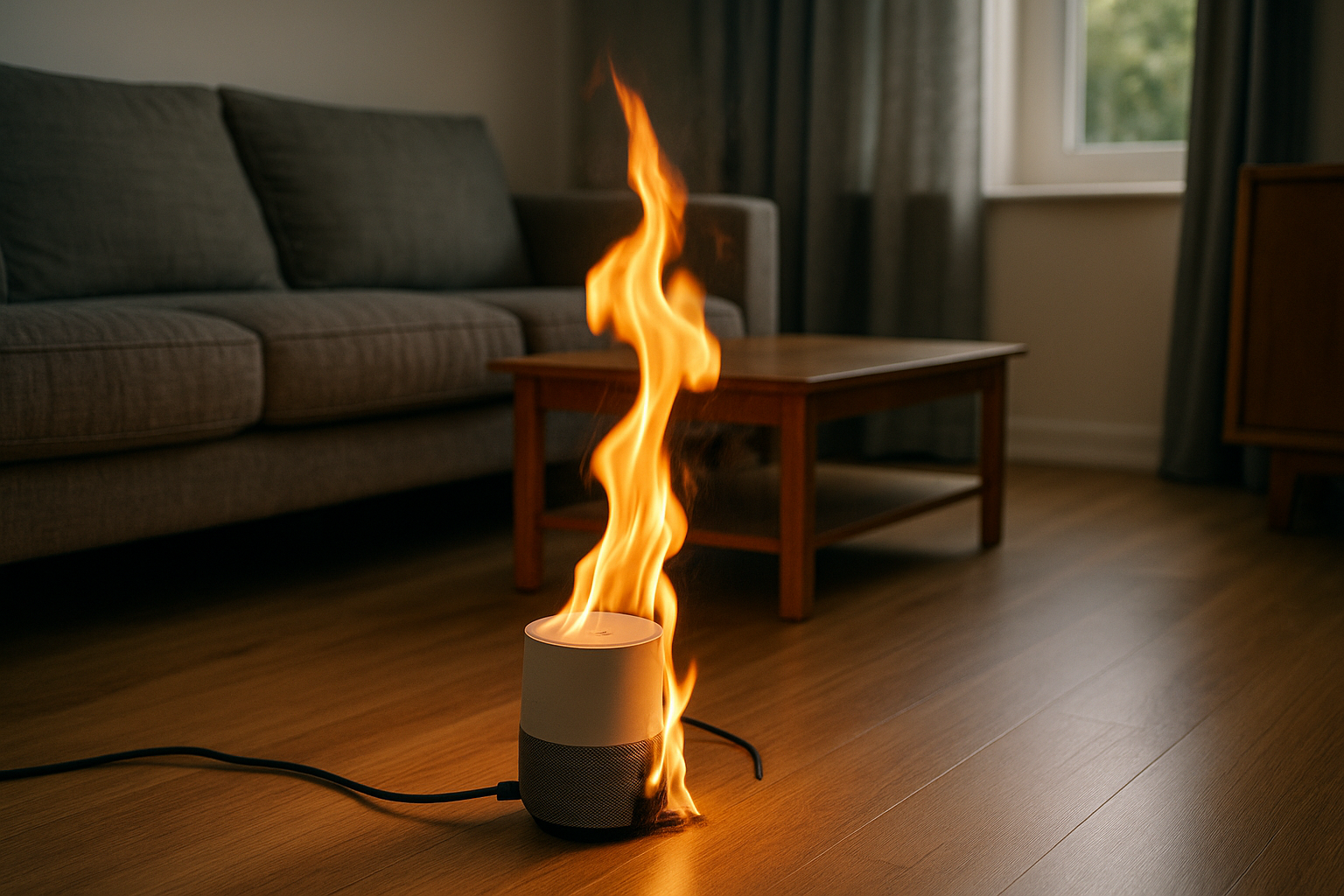
Emerging Litigation Over Smart Home Device Fires Highlights Product Design Risks

Emerging Litigation Over Smart Home Device Fires Highlights Product Design Risks

As smart home devices become fixtures in American households, new legal questions are emerging about their safety. Recent fire incidents linked to faulty charging systems, overheating batteries, and software malfunctions have led to a wave of product liability claims. These lawsuits are forcing manufacturers to confront the hidden risks of connected technology.

Smart home devices promise convenience and control. They manage thermostats, lighting, appliances, and even security systems with a few voice commands. But behind the innovation is complex hardware that runs continuously, often drawing power 24 hours a day. When these systems fail, the results can be catastrophic. Fire departments across the country have reported an increase in home fires caused by malfunctioning devices, from smart plugs to robotic vacuums.

What makes these cases different from traditional product defects is the combination of software and hardware failure. A battery might overheat because of a design flaw, but a software glitch can prevent the device from shutting down safely. That overlap complicates liability. Manufacturers often point fingers at third-party component suppliers or software developers, while victims argue that the entire product was sold as a single, integrated system.

In product liability law, the concept of “stream of commerce” plays a central role. It means that every company involved in designing, manufacturing, or distributing a product can be held responsible for defects. For smart devices, that stream often includes multiple contributors — hardware makers, firmware developers, and cloud service providers. Plaintiffs are now arguing that each should share liability when a failure causes injury or property damage.

The lawsuits also highlight another issue: data collection. Many smart devices record temperature levels, power usage, and error logs. These records can reveal whether a manufacturer knew about overheating problems before a fire occurred. In some cases, internal testing data shows that companies detected the same issues long before the products reached consumers. Such evidence can turn an ordinary negligence case into one involving gross misconduct.

Insurance companies are also paying attention. As more claims arise from smart home fires, insurers are reassessing coverage for homeowners and manufacturers alike. Some policies now exclude damage caused by “connected electronic devices,” shifting risk back to consumers. This has sparked debate about whether insurance laws need to evolve to keep pace with technology.

For consumers, prevention remains key. Avoid plugging multiple smart devices into the same outlet, and monitor products that stay powered on overnight. Manufacturers recommend using only approved charging cables and keeping firmware updated to prevent overheating. Simple maintenance steps can prevent disasters before they start.

For attorneys, these lawsuits represent a new frontier in product liability. They require understanding both engineering and data forensics. Expert witnesses must explain how heat transfer, electrical resistance, and programming logic interact to create failure. Courts are adapting quickly, but many judges acknowledge that existing product liability rules were not built for devices that rely on both physical and digital systems.

The broader legal impact could be significant. If plaintiffs succeed in proving systemic negligence, manufacturers may face new safety regulations requiring built-in temperature sensors, fire suppression systems, or mandatory software updates. This could reshape how future smart devices are designed, tested, and sold.

In the rush to make homes smarter, some companies may have overlooked the basics of safety. These lawsuits are not just about fires; they are about trust. When technology enters the home, it carries an unspoken promise that it will protect, not endanger. Courts are now determining what happens when that promise is broken.


Defective Infant Sleep Product Recall Sparks Product Liability Lawsuits

Defective Infant Sleep Product Recall Sparks Product Liability Lawsuits

Parents trust that every product marketed for babies is safe. When that trust is broken, the results can be devastating. In 2025, a series of infant sleep product recalls has triggered new lawsuits across the country. Families are demanding accountability from manufacturers whose designs allegedly placed infants in unsafe sleeping positions.

Why are these cases gaining national attention? The recall affected a popular line of inclined sleepers linked to multiple suffocation incidents. Federal safety regulators urged parents to stop using the products immediately, citing risks that were known but not disclosed early enough. Many families now claim that the company failed to act on years of warning reports and continued marketing the product as safe.

Product liability law is built on three main principles: design defect, manufacturing defect, and failure to warn. These lawsuits argue all three. Plaintiffs say the sleepers were inherently dangerous because their incline encouraged babies to roll into positions that blocked breathing. They also allege poor quality control allowed small parts and loose fabrics to increase risk. Most importantly, they claim the company ignored red flags from pediatricians and consumer watchdogs.

What makes these claims particularly serious is that they involve the youngest and most vulnerable victims. Infants cannot reposition themselves or communicate distress. The law recognizes this vulnerability, often leading juries to impose higher damages when negligence endangers children. For parents, the emotional and financial toll is lifelong.

How are companies defending these cases? Manufacturers often argue that their products met existing safety standards at the time of sale and that parents misused the items. They may claim that federal approval or industry compliance shields them from liability. But courts have repeatedly ruled that regulatory compliance is not an absolute defense. If a product is proven unsafe or marketed deceptively, the company can still be held responsible.

Another question arises: how much did the company know, and when? Discovery in these lawsuits often reveals internal communications showing engineers or consultants warning management about hazards. If evidence shows that executives ignored or delayed acting on those warnings, it can support punitive damages. Those damages are meant not just to compensate families but to punish companies for reckless disregard of safety.

The recalls have also sparked discussion about oversight. Critics argue that federal safety agencies rely too heavily on voluntary recalls and industry self-reporting. They say stronger mandatory testing and stricter penalties are needed to prevent future tragedies. Consumer safety groups are calling for a nationwide ban on all inclined infant sleep products, while several major retailers have already pulled them from shelves.

What can parents do now? Anyone who owns a recalled product should stop using it immediately and report any injuries or near-miss incidents. Families whose children were harmed may have a valid claim for compensation covering medical costs, counseling, and emotional distress. Legal experts recommend documenting all correspondence with the manufacturer and keeping the product as evidence.

The broader message is clear: companies that design products for children carry a higher duty of care. When they fail to meet that duty, the consequences reach beyond lawsuits. These cases remind every manufacturer that safety should never depend on profit margins or marketing trends.

In the aftermath of the recall, many families say they are not motivated by money but by accountability. They want assurance that no other parent will face the same heartbreak. As more cases reach court, juries will decide how much that assurance is worth.